Fire damage restoration is about more than repairing what flames have destroyed. Smoke, soot, water damage, and compromised building materials can leave a home in need of extensive cleanup and reconstruction. At Tennessee Water and Fire, we recently completed a residential fire restoration project in Middle Tennessee that required emergency mitigation, smoke remediation, and a comprehensive rebuild.
From securing the property immediately after the fire to restoring the home’s interior, our team worked through every stage of the recovery process.
Emergency Response and Property Protection
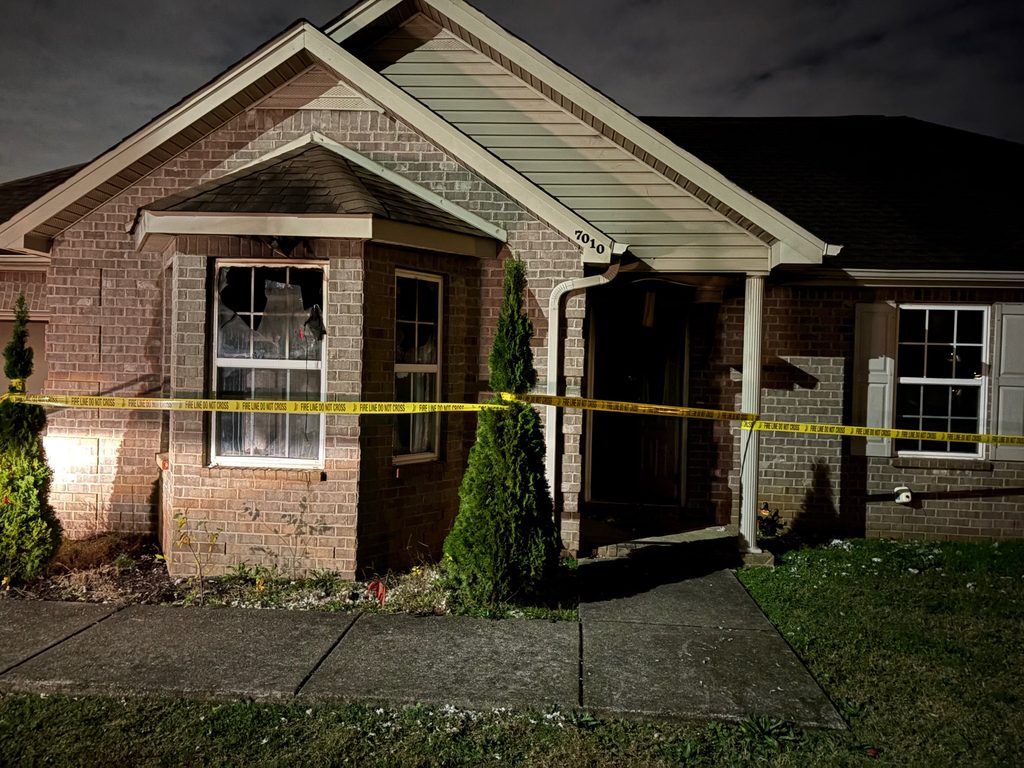
Immediately following the fire, our team responded to secure the property and prevent additional damage. Emergency board-up services were performed to protect the home from weather, vandalism, and unauthorized access while the insurance claim process began.
Protecting a property after a fire is one of the most important first steps in the restoration process. By securing damaged openings and stabilizing the structure, additional losses can often be prevented.
Fire Damage Mitigation Begins
Once authorization was received, Tennessee Water and Fire began the mitigation phase of the project.
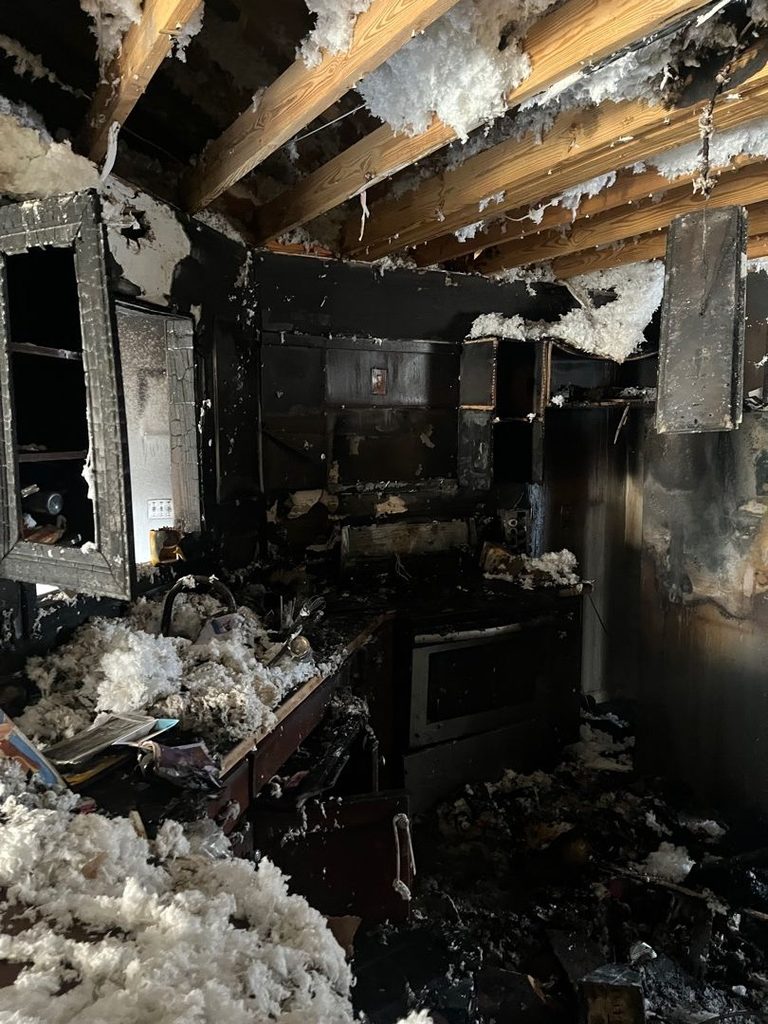
Our crews removed fire-damaged flooring, insulation, debris, and other unsalvageable building materials throughout the affected areas of the home. Large amounts of demolition debris were carefully bagged, removed, and disposed of to prepare the structure for cleaning and reconstruction.
The goal during mitigation is to remove damaged materials while preserving as much of the home’s structure as possible.
Smoke and Soot Remediation
One of the most challenging aspects of fire restoration is dealing with smoke and soot contamination.
Even areas that were not directly damaged by flames can be affected by smoke odors and microscopic soot particles. Our team performed extensive cleaning and odor-removal procedures throughout the property. Specialized deodorization treatments were used to help eliminate lingering smoke odors and prepare the home for rebuilding.
Proper smoke remediation is critical because odors can remain trapped in framing, drywall, insulation, HVAC systems, and other porous materials if not properly addressed.
Restoring the Home’s Systems
Fire damage often impacts much more than walls and flooring.
During this project, portions of the electrical system required testing, evaluation, and repairs to ensure the home met safety requirements. HVAC components and ductwork were also inspected and addressed as part of the restoration process.
Our team coordinated with licensed trade partners and local building officials throughout the project to ensure all work met current building standards and code requirements.
The Reconstruction Phase
After mitigation and remediation were completed, the rebuilding process began.
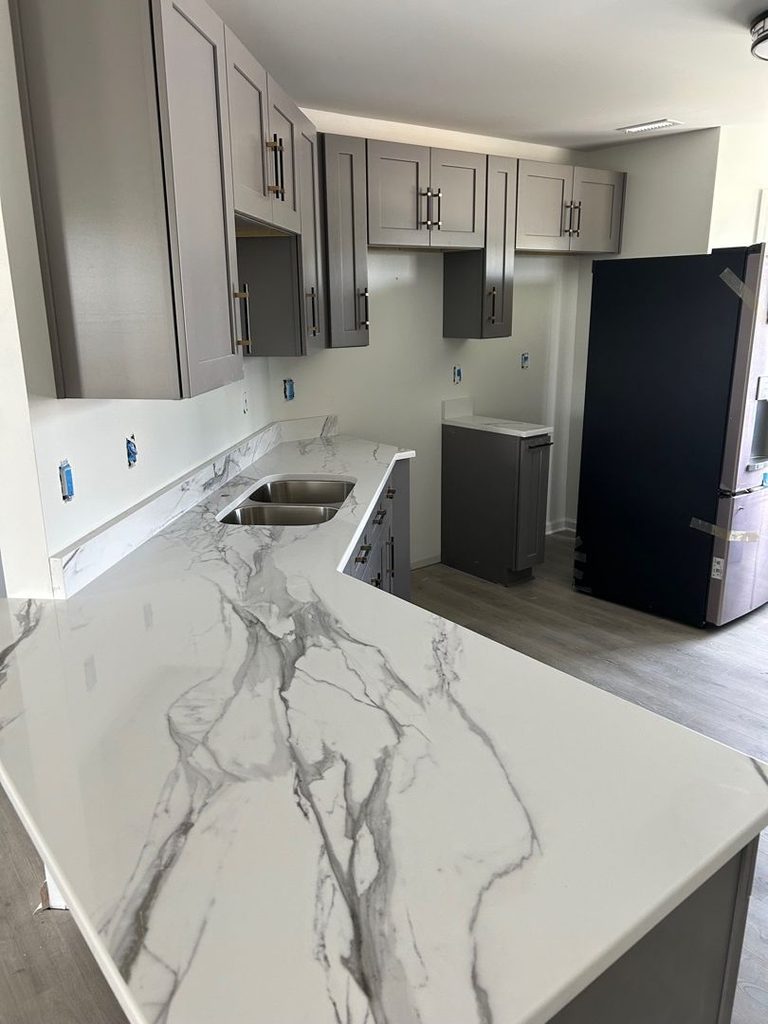
Over the course of several months, crews worked to restore the home to pre-loss condition. Reconstruction activities included:
- Insulation installation
- Drywall installation and finishing
- Interior painting
- New flooring installation
- Cabinet installation
- Countertop installation
- Interior trim and doors
- Electrical finish work
- Plumbing fixture installation
- Lighting installation
- HVAC restoration
- Window and exterior repairs
As each phase was completed, inspections were scheduled and passed to ensure the project remained on track.
Final Touches and Project Completion
The final stages of the project focused on punch-list items, final inspections, detailed cleaning, and quality control.
Our reconstruction team worked closely with local inspectors and trade partners to address final code requirements and ensure every detail was completed correctly. Once final approvals were obtained, the home was ready to return to service.
Why Professional Fire Restoration Matters
Fire damage restoration is far more complex than simply replacing burned materials. Smoke contamination, hidden structural damage, electrical concerns, and odor removal all require specialized knowledge and equipment.
At Tennessee Water and Fire, we guide homeowners through every stage of the process—from emergency mitigation to complete reconstruction. By keeping mitigation and rebuilding under one roof, we help streamline communication, reduce delays, and provide a smoother experience during an already stressful time.
The EPA and other public health agencies consistently warn that smoke, soot, and ash can remain on surfaces and continue affecting indoor air quality long after the flames are extinguished. Smoke particles and combustion byproducts can linger in walls, furnishings, HVAC systems, and other porous materials if they are not properly cleaned or removed.
Need Fire Damage Restoration?
If your home or business has suffered fire damage, Tennessee Water and Fire is available 24/7 to provide emergency response, mitigation, smoke remediation, and complete reconstruction services.
Our goal is simple: restore your property, protect your investment, and help you get back to normal as quickly as possible.