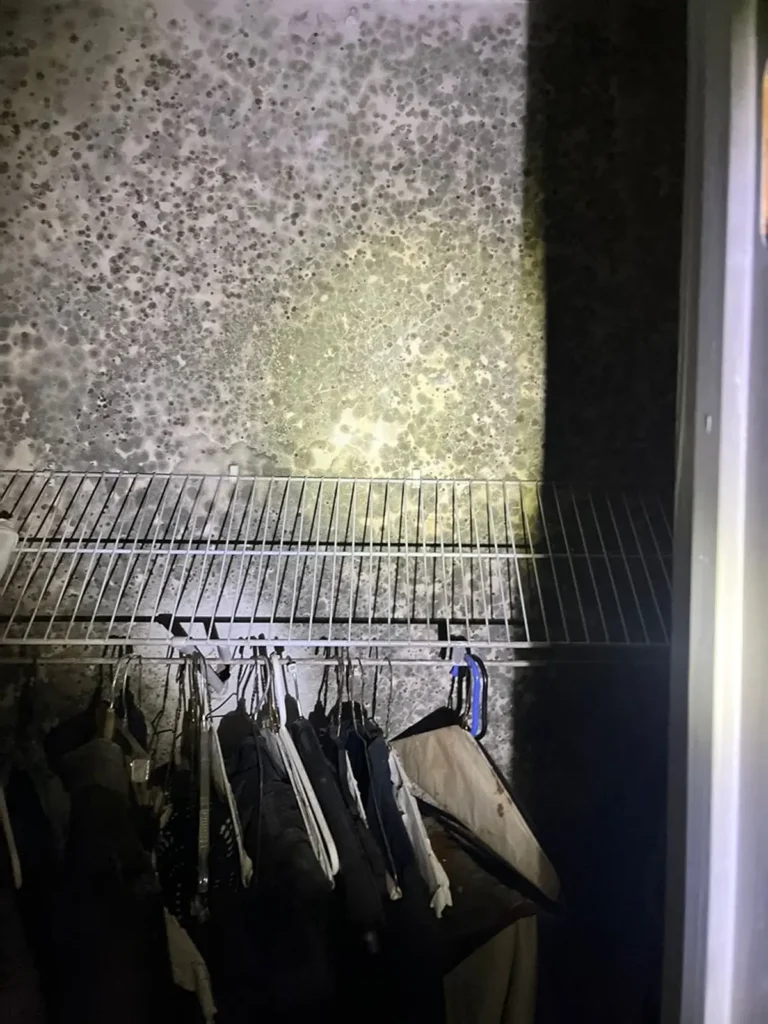
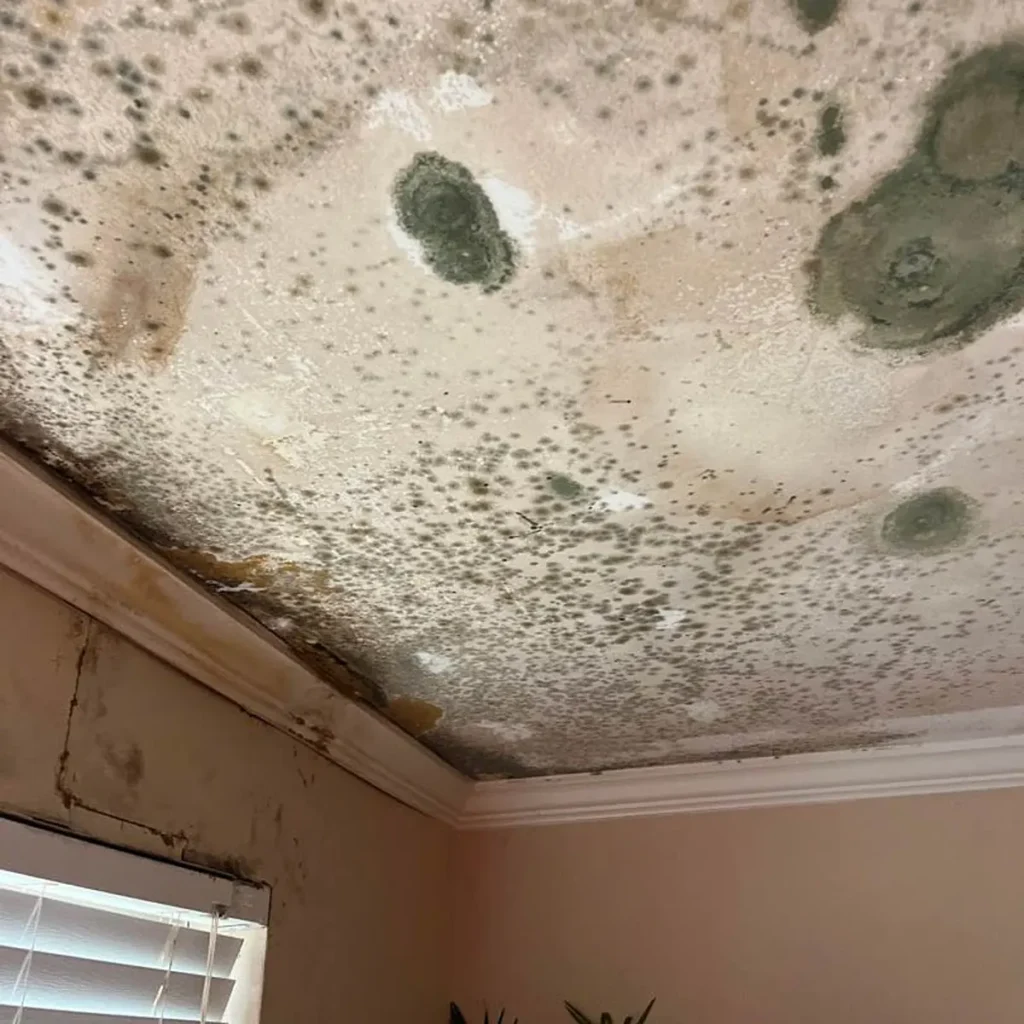
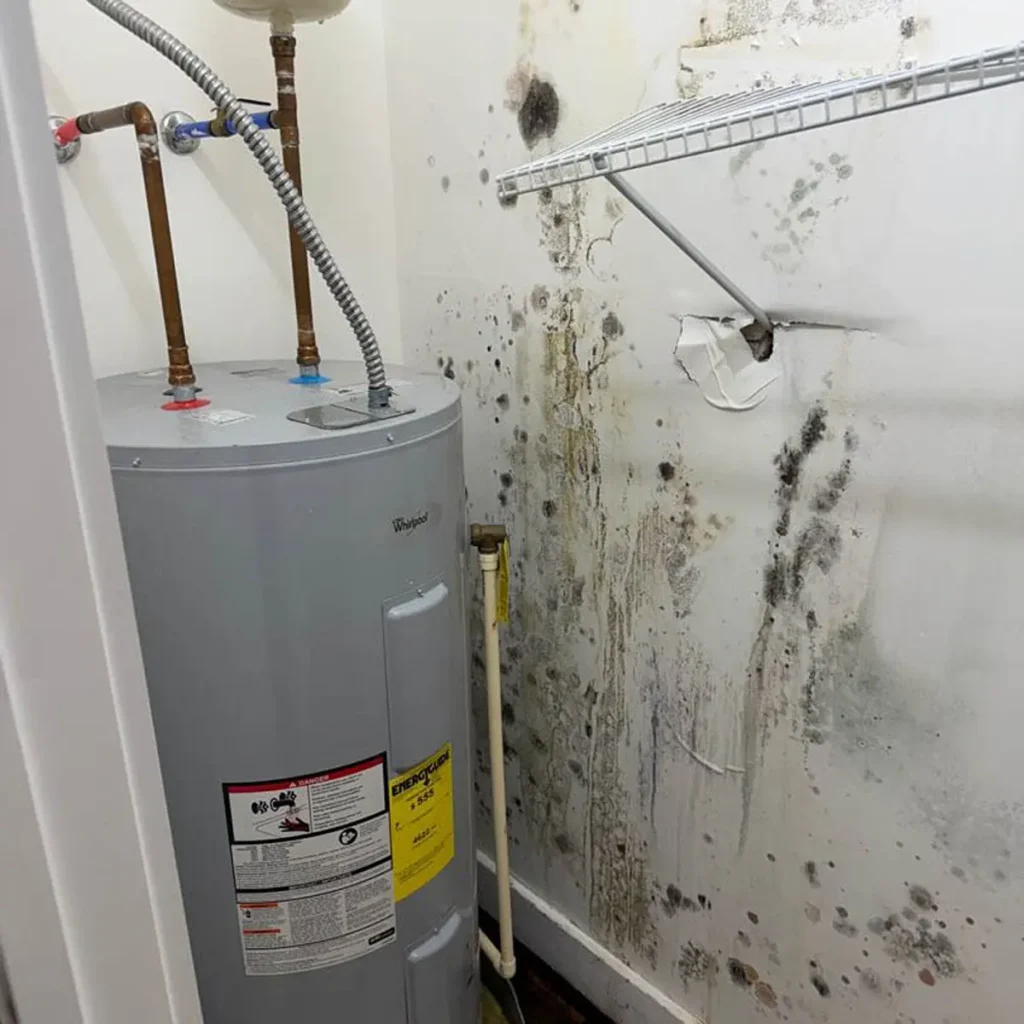
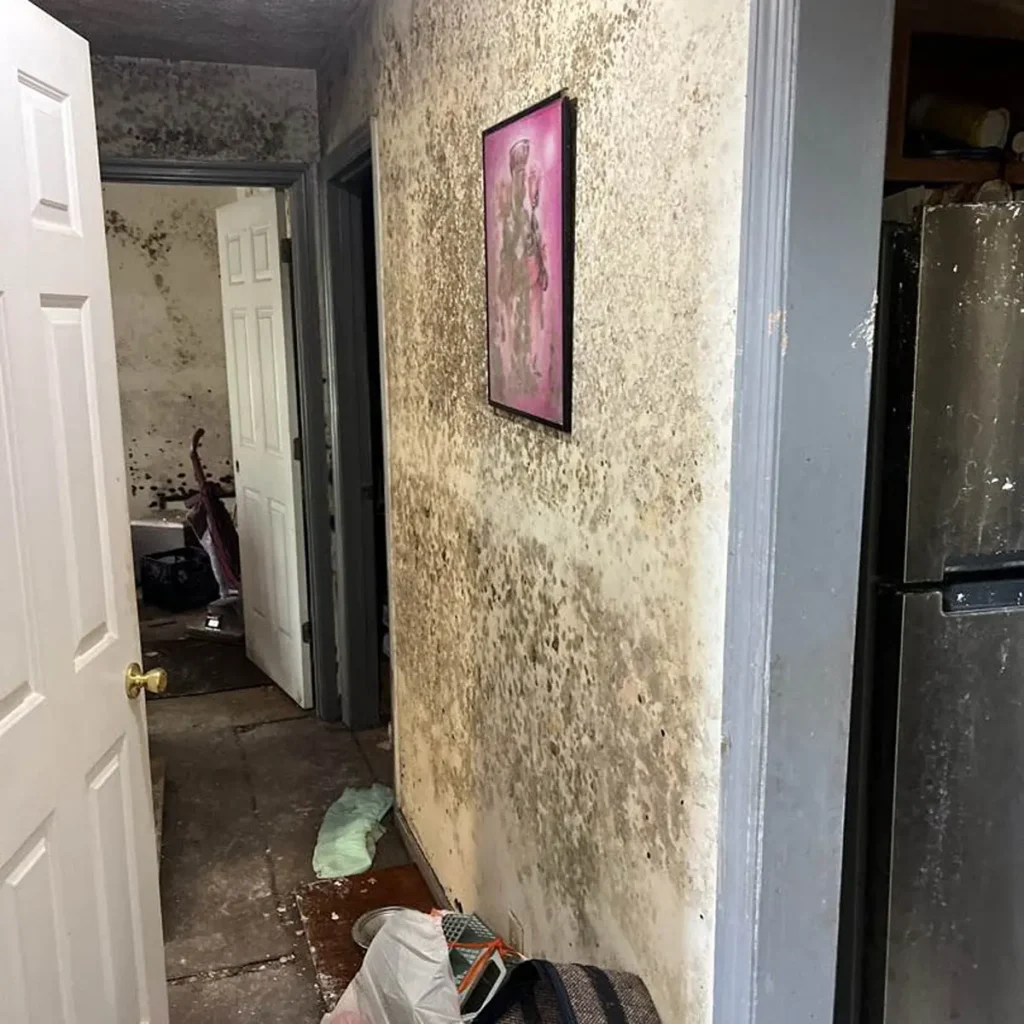
When most homeowners think about mold, they picture a small dark spot on a bathroom ceiling or a little discoloration around a window. Unfortunately, mold growth is often much more serious than what you can see on the surface.
In Middle Tennessee, mold is a common problem due to high humidity levels, heavy rain, plumbing leaks, and water damage events. Once moisture enters a home, mold can begin growing within 24 to 48 hours. If left untreated, it can spread quickly through drywall, insulation, flooring, crawlspaces, and HVAC systems.
Why Mold Is Dangerous
According to the Environmental Protection Agency (EPA), mold produces allergens and irritants that can affect indoor air quality and potentially cause health problems. Exposure to mold may trigger symptoms such as:
- Sneezing
- Runny nose
- Nasal congestion
- Red or irritated eyes
- Skin irritation
- Coughing and wheezing
- Asthma flare-ups in sensitive individuals
People with allergies, asthma, weakened immune systems, children, and older adults may be especially vulnerable to mold exposure. Even those without known sensitivities can experience irritation when exposed to elevated mold levels.
Mold Is a Moisture Problem
One of the most important things homeowners need to understand is that mold is not the root problem—it is the result of excess moisture.
The EPA states that the key to mold control is moisture control. If a water leak, flooding event, condensation issue, or high humidity condition is not addressed, mold will likely return even after cleaning. Simply wiping away visible mold does not solve the underlying issue.
Common causes of mold growth include:
- Burst pipes
- Roof leaks
- Appliance leaks
- Crawlspace moisture
- HVAC condensation
- Flooding
- Poor ventilation
- High indoor humidity
Why Proper Mitigation Is Critical
Many homeowners attempt to clean mold themselves with bleach or store-bought cleaners. While this may remove some visible staining, it often fails to address hidden contamination and the source of the moisture.
Proper mitigation involves much more than surface cleaning. A professional mitigation company should:
1. Identify the Source of Moisture
Before mold remediation can begin, the source of water intrusion must be found and corrected. Without addressing the cause, mold growth can return quickly.
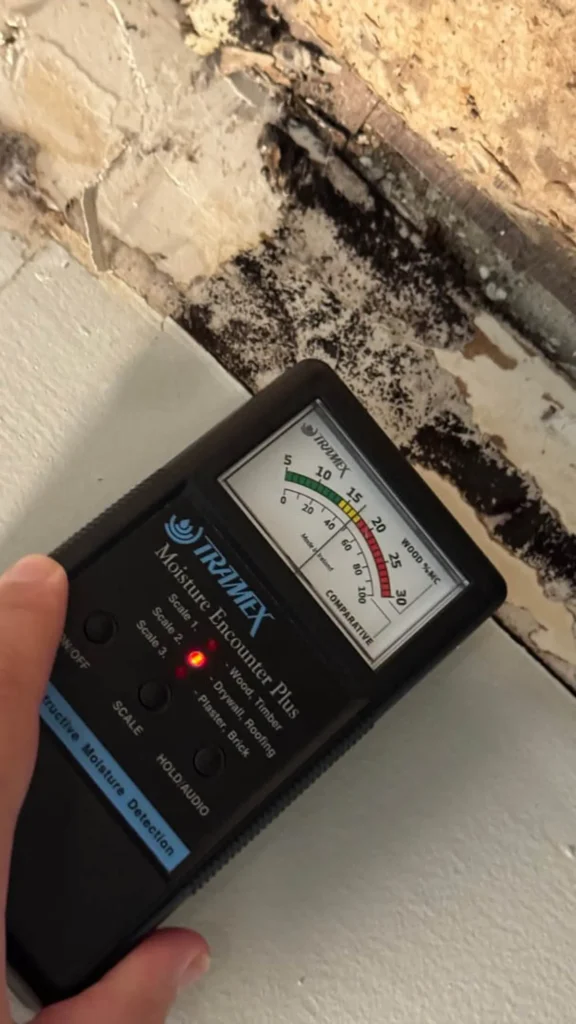
2. Assess the Extent of Damage
Mold frequently grows behind walls, beneath flooring, inside insulation, and within crawlspaces. Professional inspections help determine the full extent of contamination.
3. Remove Contaminated Materials
Porous materials such as drywall, insulation, carpet, and certain wood products may need to be removed if mold growth is extensive.
4. Dry the Structure
Industrial dehumidifiers and air movers are used to reduce moisture levels and create an environment where mold cannot continue growing.
5. Improve Indoor Air Quality
Containment procedures and HEPA filtration help prevent mold spores from spreading throughout the home during the remediation process.
Signs You May Have Mold in Your Home
Not all mold problems are obvious. Watch for these warning signs:
- Musty or earthy odors
- Recent water damage
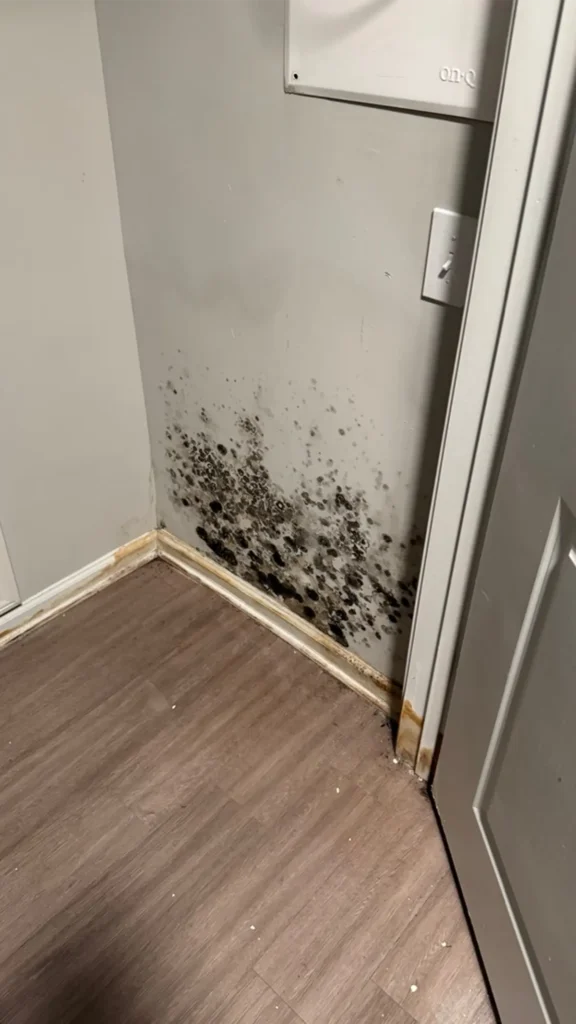
- Visible discoloration on walls or ceilings
- Peeling paint
- Increased allergy symptoms indoors
- Excess humidity or condensation
- Damp crawlspaces or basements
If you notice any of these signs, it is important to have the issue inspected before it becomes a larger and more expensive problem.
Protect Your Home and Your Family
Mold is more than a cosmetic issue. It can impact indoor air quality, damage building materials, and create ongoing health concerns for occupants. The longer mold is allowed to grow, the more extensive and costly the cleanup process can become.
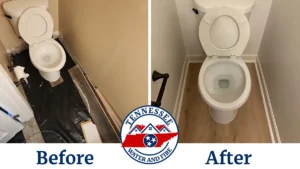
At Tennessee Water and Fire, our team provides professional mold inspections, water damage mitigation, structural drying, and mold remediation services throughout Middle Tennessee. By identifying the source of moisture and properly mitigating the affected areas, we help homeowners restore their properties and prevent future mold problems.
If you suspect mold in your home, don’t wait. Early intervention can help protect your property, your indoor air quality, and your family’s health.